
On the origins of the Prokop Pilgrimage
Until 1889, Březové Hory belonged to the Příbram parish, so the people of Březové Hory originally celebrated the St James’s Day pilgrimage in Příbram.
In 1719, a rich silver vein was discovered in the Březohory New Year’s Adit, and the following year it was confirmed that the Příbram mining operation would see better times after many years of decline. Mine manager Jiří Tomáš Pusch anticipated that this would also lead to the development of the Březová mining settlement, and on 30 June 1721 he presented a proposal to the Březová miners’ guild for the construction of a guild hall and a chapel on the site of the mining bell.
The owners of all fifteen houses then inhabited on Březový Hill undertook to support this plan. The foundation stone for the chapel was laid by the mining master and, by then, also the mayor of Příbram, Pusch, as late as 5 September 1724, but there was not enough money for its construction. Donations and collections were gathered literally one krejcar at a time. The plan to dedicate the chapel to Saint Prokop as the patron saint of miners first appeared on 15 September 1724, when the residents of Březohory asked the Příbram magistrate “to grant them some assistance towards the construction of the Chapel of Saint Prokop”. The councillors resolved to provide them with three barrels of beer from the town brewery, valued at 24 gold coins, six thousand bricks, and twenty weights of iron from their own forges to sell. However, construction of the small chapel proceeded very slowly.
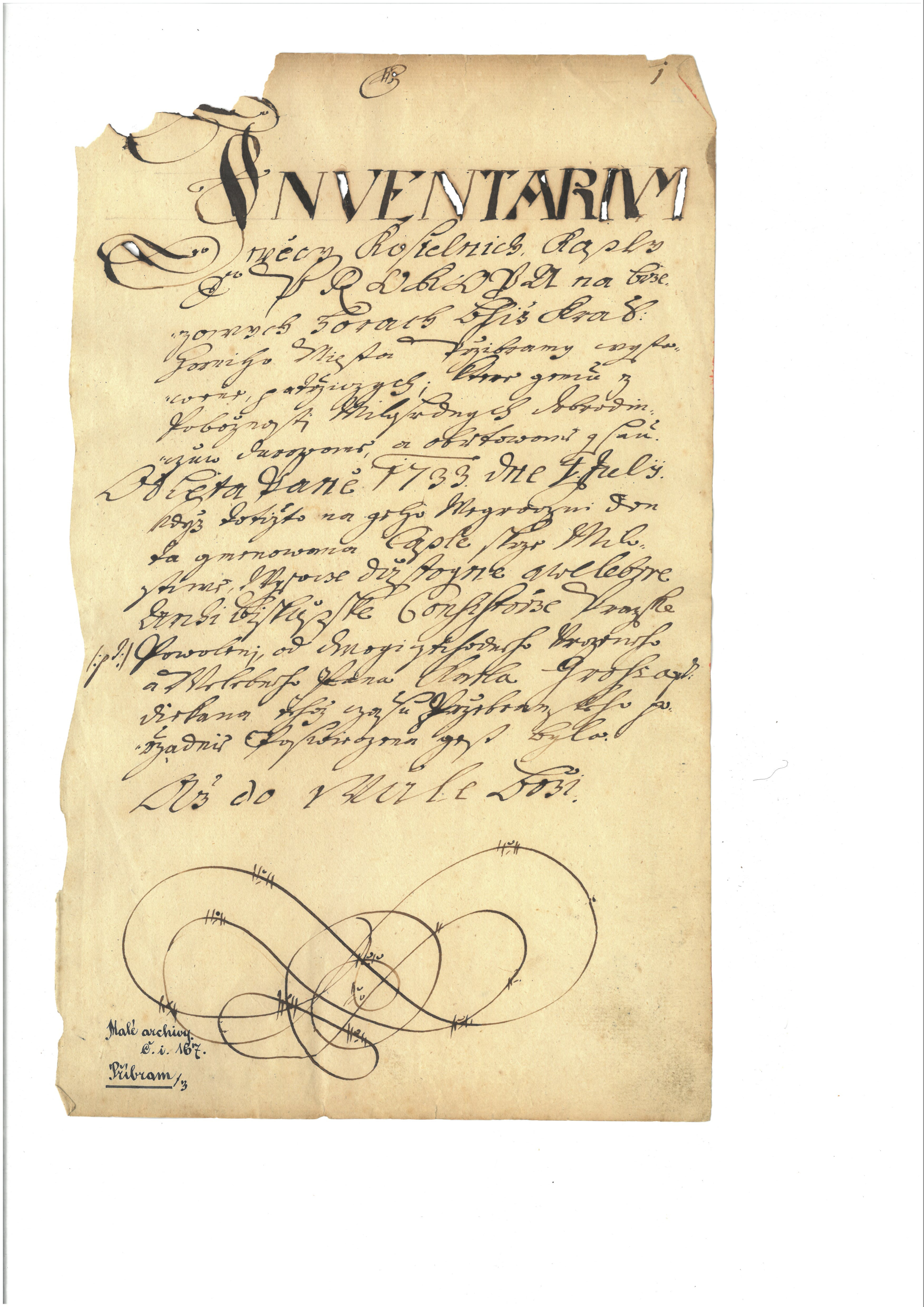
In 1730, a dowser discovered rich deposits of silver in the so-called Prokop vein in the upper part of Březový Hill. Mining had already been taking place for several years at the St John of Nepomuk mine, and in 1731, the first mine – naturally also named after St Prokop – was opened near the Prokop Chapel under construction at the highest point of Březové Hory. On 3 April 1732, the councillors of Příbram announced that the inhabitants of Březový vrch had resolved to complete the chapel of St Prokop, which was under construction. The town council also assured the archbishop’s consistory that this chapel would be provided with everything necessary for all time. It was consecrated on the feast day of St Prokop on 4 July 1733.
According to the oldest surviving accounts of the St Prokop Chapel from 1747 and 1749, the residents of Březový vrch took great care to organise their own pilgrimage festivities following the completion of their sanctuary. Miners were paid to erect the maypole, to decorate the altar, to bring the Příbram organ positive to the village, and then to carry it back to the town. In 1756, a costly white wax candle burned on the altar; the sextons from Příbram brought liturgical objects from there and assisted at Mass. They were helped by altar boys. A procession came from Příbram for the St Prokop pilgrimage.
In the years 1771–1772, a terrible famine ravaged the Czech lands, yet the Prokop Fair went ahead. In 1771, two gingerbread bakers sold their wares there. On 3 July 1772, the Chief Mint Master, František Josef Pachta of Rájov, informed the Chief Mining Administrator of Příbram, Dionisius Martinez, that Father Fabian had obtained indulgences in Rome for the Chapel of St Prokop, to be granted on the feast day of its patron saint or on the Sunday immediately following it. The Prague Archiepiscopal Consistory had already been made aware of the papal bull (decree) and had authorised its publication. Martinez was to inform the dean, but as it was already too late to celebrate the papal privilege, he was to ensure the following year that these indulgences were announced, so as to increase veneration of St Prokop and enhance the blessings of the mountains. In 20th-century scholarly literature, this privilege was reproduced in a manner that conformed to Communist ideology: “In 1772, the Chief Mint Master of the Kingdom, František J., Count Pachta of Rájov, reminded the Příbram Mining Authority of St Prokop, the patron saint of the land and miners.” After the Second World War, the St Prokop pilgrimage was largely replaced by the September celebrations of Miners’ Day.
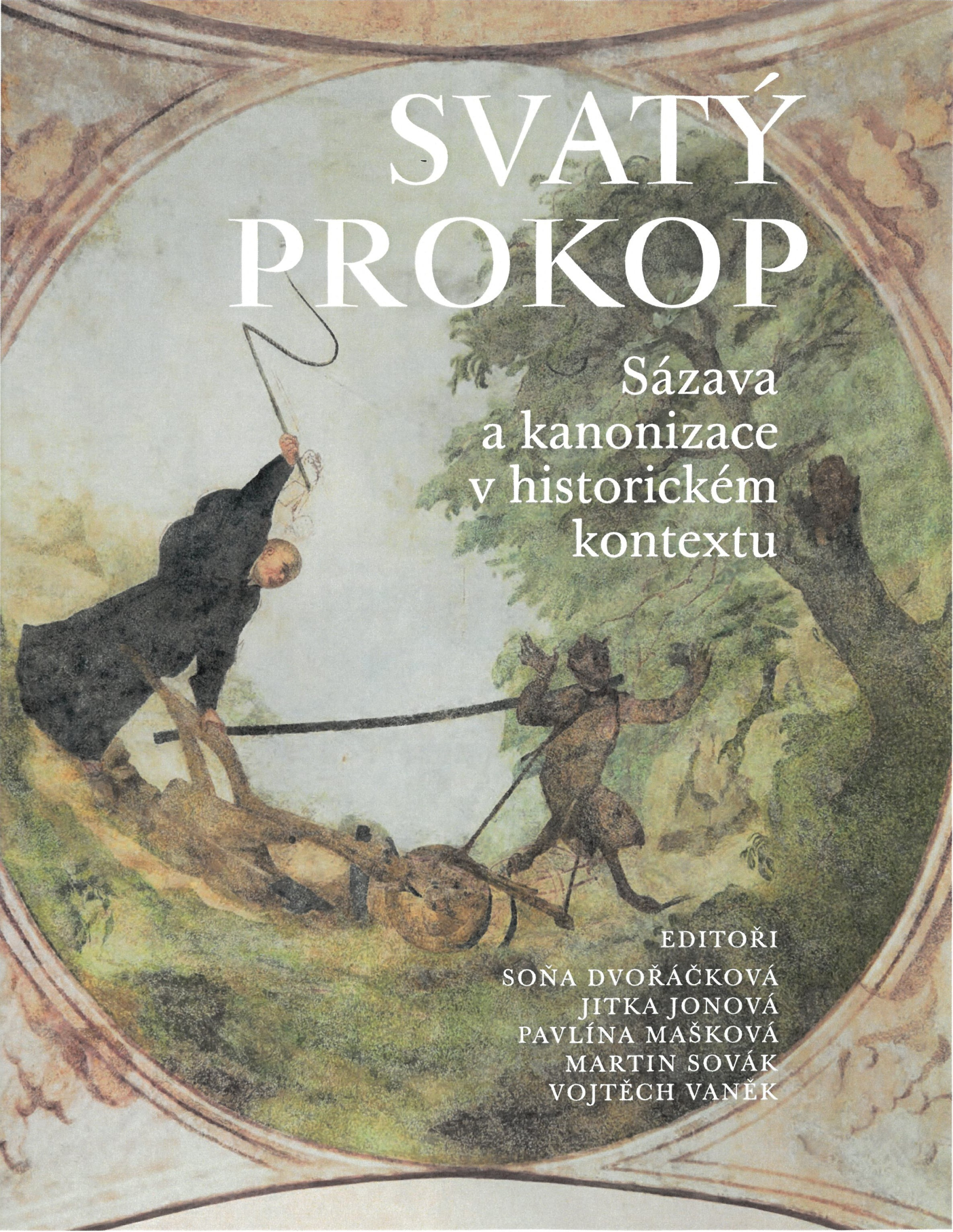
A detailed account of “The veneration of St Prokop in the Příbram silver-mining district” can be found on pages 363 to 376 of the book ‘Saint Prokop: Sázava and Canonisation in a Historical Context’, which has just been published by Lidové noviny Publishing House. This comprehensive publication is available for consultation in the reading room of the State District Archive in Příbram and for purchase through distributors.
Text:PhDr. Věra Smolová
Other articles:









© 2026 Město Příbram. Všechna práva vyhrazena
Privacy Policy • Cookies • Authors of photos
Developed by: Smartim